COVERAGE
More skin covered
The NHS suggests a wide-brimmed hat, a long-sleeved top, and trousers or long skirts in close-weave fabrics. Cancer Research UK adds that loose-fitting clothes are best.
Check a fabric doodleoutfits

WHAT THE GUIDANCE SAYS
Your outfit is sun protection that never needs reapplying.
NHS and Cancer Research UK advice puts clothing alongside shade and sunscreen, not after them. How much an outfit protects depends on how much skin it covers and how much UV its fabric lets through, and both are easy to check.
UPF 50 blocks 98% of UV
Check a fabricTHE SHORT ANSWER
UK guidance says do not rely on sunscreen alone.
Here is what makes an outfit protective.
COVERAGE
The NHS suggests a wide-brimmed hat, a long-sleeved top, and trousers or long skirts in close-weave fabrics. Cancer Research UK adds that loose-fitting clothes are best.
Check a fabricWEAVE
Cancer Research UK suggests holding the material up to the light: if you can see through it, UV can get through too. The tighter the weave or knit, the better.
Quick checksCOLOUR
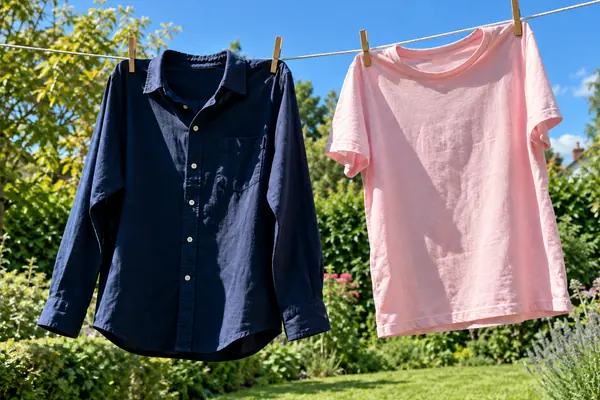
Many dyes absorb UV. Cancer Council Australia says black, navy and dark red absorb more than pastel shades of the same fabric type.
See the numbers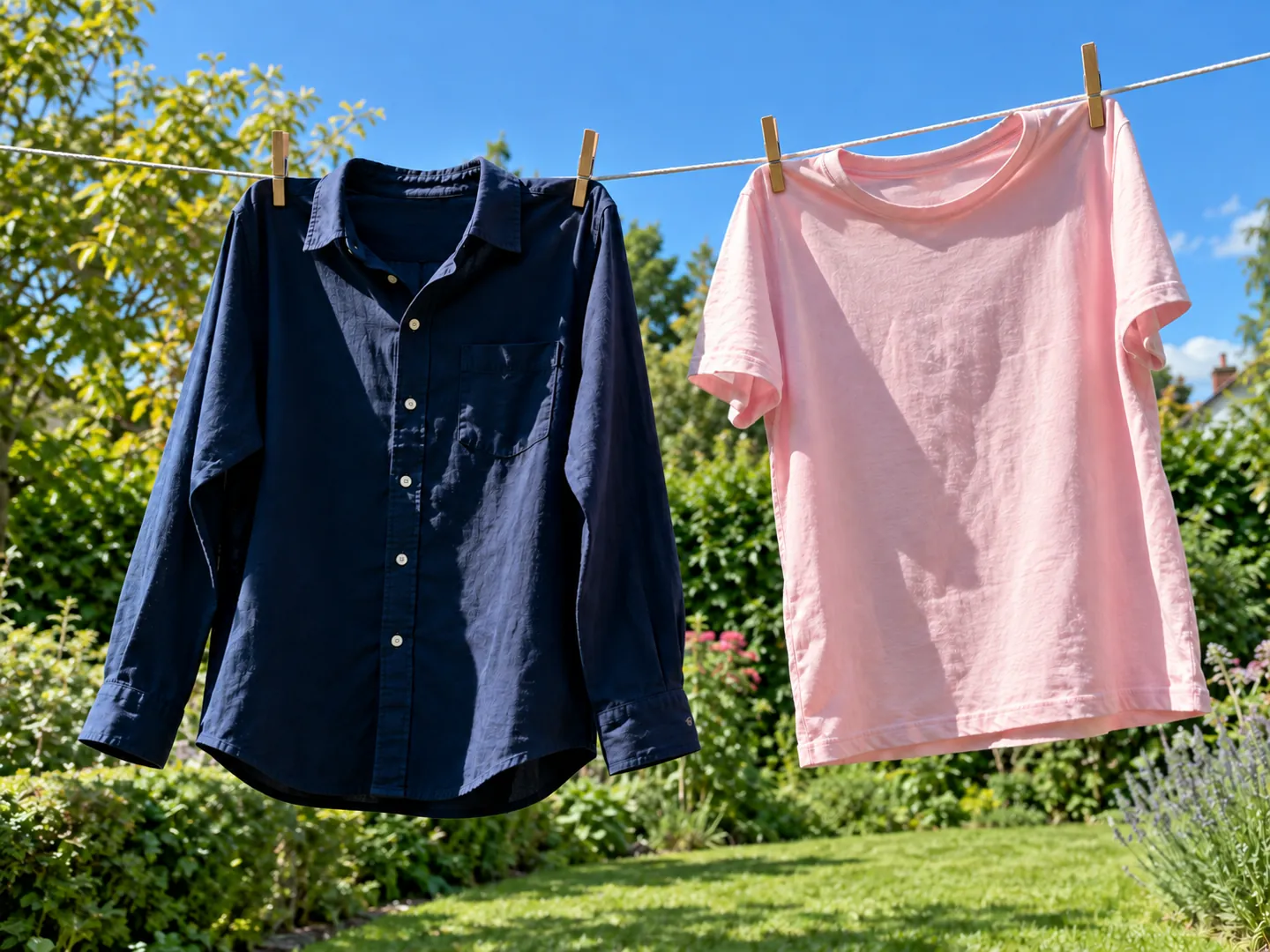
BEFORE YOU HEAD OUT
None of these needs special clothing. Fabrics do not have to be UPF rated to protect you: structure, colour and fit all count.
The WHO says that at a UV index of 3 or higher there is an increased risk of skin damage and protective measures are recommended.
Pick loose clothes with long sleeves, or at least covering your shoulders, and a wide-brimmed hat.
Hold the fabric up to the light. If you can see through it, choose something with a closer weave or a darker colour.
Wet fabric protects less, so bring dry clothes to change into after swimming.
TWO NUMBERS WORTH KNOWING
A UPF rating is measured on dry, unstretched fabric.
Cloud is far less of a shield than it looks.
98%
UV blocked by a UPF 50 or 50+ fabric
There are only four UPF ratings: 15, 30, 50 and 50+. UPF 30 lets through 1/30th of UV, blocking 96.7%, and UPF 15 blocks 93.35%.
UPF 50 · AS 4399:2020
90%+
UV rays that can pass through cloud
Cancer Research UK says over 90% of UV rays can pass through cloud, so you can still burn on cloudy, windy or cooler days.
CLOUDY DAYS · CANCER RESEARCH UK
In the UK, Cancer Research UK says UV is often strong enough to cause damage between mid-March and mid-October, and to consider sun safety steps when the UV index is 3 or above.
A QUICK FABRIC CHECK
Pick a fabric situation to see what sun-safety guidance says about it. The bar gives a rough sense of protection compared with the other choices.
Based on Cancer Council Australia, Sun protective clothing, and Cancer Research UK sun safety advice.

LOOKING AFTER SUN-SAFE CLOTHES
Cancer Council Australia says washing new clothes can improve their protection, especially natural fibres like cotton, because the fabric shrinks and the gaps get smaller. Layering garments also increases protection.
Over time, old, threadbare or faded clothes may protect less. Some clothing is treated with UV absorbers, so check the label and follow the care instructions to keep that protection working.
Questions
Ultraviolet protection factor. It shows how much UV passes through dry, unstretched fabric. UPF 30 lets through 1/30th of the UV falling on it, blocking 96.7%.
No. Fabrics do not need to be UPF rated to protect you. A close weave, darker colour and good coverage all help, according to Cancer Council Australia.
Some, but light pastel shades absorb less UV than darker colours of the same fabric, and protection drops if the shirt is thin, stretched or wet.
The NHS advises shade between 11am and 3pm from March to October. Cancer Research UK suggests sun safety steps when the UV index is 3 or above.
UK guidance says use them together. The NHS says do not rely on sunscreen alone, and to apply it to skin that clothing does not cover, such as face, ears, feet and backs of hands.
Updated
ABOUT THIS NAME
doodleoutfits.com is part of the DoodleSale portfolio. It isn't in an auction right now, but you can ask about leasing it.